

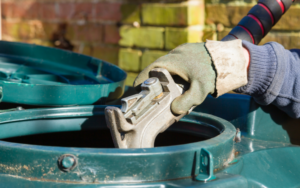

There are around 1.7 million households across the UK that use heating oil or LPG for heating and hot water, neither of which is covered by Ofgem’s energy price cap.
With very little protection from the energy regulator, the Prime Minister, Sir Keir Starmer, announced that the government would allocate nearly £53 million to affected vulnerable households. Referring to the supply of heating oil, Sir Keir Starmer stated that “it’s clear this market is under-regulated - we’re going to put that right to ensure customers get a better deal”.
What has happened to the cost of heating oil?
Heating oil (a form of kerosene) and LPG have both seen price spikes due to recent supply issues. Distributors of heating oil rely on a consistent supply more than other energy suppliers, as they are unable to store large quantities. For domestic customers who rely on it to heat their homes and provide hot water, the costs have nearly doubled, and reports indicate that existing orders at lower prices have been cancelled, forcing customers to pay the higher prices.
The Competition and Markets Authority (CMA) was tasked with investigating the supply of heating oil and reported that it found two main issues:
- existing orders for heating oil being cancelled, and customers then being offered new quotes at significantly increased prices
- price increases for automated deliveries (triggered when the fuel in a tank drops to a certain level)
Although heating oil supply is not covered by the energy price cap, suppliers must comply with consumer protection laws. Commenting on the current investigations, the Chief Executive of the CMA, Sarah Cardell, said, “We know many households are worried about rising prices as global events push up wholesale oil costs. It’s inevitable that some prices will rise, but they should reflect genuine cost pressures. We’ve heard troubling reports from heating oil customers about cancelled orders and sudden price increases - and are moving quickly to get to the bottom of these concerns. As always, we stand by consumers and will make sure they are treated fairly.”
How will the £50 million support package be allocated?
The government has allocated almost £53 million across the UK to support vulnerable households who rely on heating oil and LPG. £27 million has been allocated to local authorities in England based on census data indicating areas with greater reliance on heating oil. In Scotland, Wales and Northern Ireland, the funding will be allocated by the devolved governments, which have each received £4.6m, £3.8m and £17m respectively. 62.5% of Northern Ireland’s homes rely on heating oil rather than gas, compared with an average of only 5% across the UK, putting a greater proportion of households at risk of hardship.
How to claim support if your household relies on heating oil or LPG
In England, households should be able to access support through their local council’s Household Support Fund, which is in place until 31st March 2026, when it will be superseded by the Crisis and Resilience Fund. Each local authority will determine its qualifying criteria, but the government is keen that the most vulnerable households are supported to prevent hardship. At the time of writing, it is unclear how much support will be available to each household and for how long.
Similarly, authorities in Northern Ireland, Scotland and Wales have confirmed that low-income households and those at the highest risk of energy supply issues due to price hikes will be targeted with support first.
If your household is affected, you should contact your local authority in the first instance to report the supply issues you are experiencing. You should then be directed to information on how to apply for help, along with the criteria for qualifying. You will also find information about other support channels in our article, "Grants and schemes for help with your energy bills".


£200 Pension Cashback Offer
Make a qualifying deposit or transfer a pension to our partner Interactive Investor.
- Deposit or transfer a pension of at least £20k and you could earn £200 cashback
- Terms and Fees apply, Capital at risk
- New & Existing customers opening a SIPP
- Offer ends 31st July 2026
Before starting your transfer, check you won't lose any valuable benefits (such as guaranteed annuity rates or a lower protected pension age) and find out what exit fees you might have to pay

