

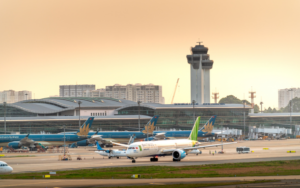

At a glance: Your flight diversion rights
- Getting Home: The airline is legally required to transport you to your original destination airport. If they cannot arrange a coach or taxi, you can book standard transport yourself and claim back the reasonable costs, just keep every receipt.
- Food & Sleep: If stranded overnight, the airline must provide free hotel accommodation, transport to and from the hotel, and meals/refreshments while you wait.
- Compensation vs. Expenses: While runway closures are “extraordinary circumstances”, meaning you likely won't receive the usual £220–£520 payout for delayed flights under UK law, this does not change their legal obligation to pay for your taxis, hotels, and food.
Will the diverted flight be able to fly back to the intended airport?
Many passengers assume that a diverted aircraft will simply refuel and continue to its original destination once the airport reopens. However, the probability of an onward flight is very low, particularly at night.
Aviation safety in the UK is strictly governed by rules designed to manage crew fatigue. Late-night disruptions often push flight crews to the limit of their permitted working hours. Once a crew reaches this limit, they are not legally allowed to operate another flight. Combined with limited nighttime staff and a lack of immediate refuelling options at unplanned airports, the flight is usually officially terminated at the diversion airport.
Your legal rights – Alternative transport and accommodation
When an aircraft terminates its journey at an alternative airport, the legal and financial responsibility of transporting passengers to their final destination transfers to the airline. Under UK regulations, the airline must cover the full cost of transferring you from the alternative airport to your original destination.
Additionally, the operating airline must provide you with immediate assistance free of charge. This mandatory support includes:
- Meals and refreshments appropriate for your wait time.
- Hotel accommodation if onward transport cannot be safely arranged until the following day.
- Complimentary transport between the diversion terminal and your temporary accommodation.
Sourcing your own transport
While the airline has a legal duty to provide transport, sourcing commercial coaches during a mass diversion event is a logistical challenge. Airlines sometimes fail to secure ground transport under these chaotic conditions, leaving passengers to make their own way home and claim the expenses back later.
If you are placed in this position, you have a strict legal right to reimbursement. According to Civil Aviation Authority (CAA) guidance, airlines must process out-of-pocket expense claims, provided the costs are necessary, appropriate, and reasonable. To ensure your claim is successful, you should follow these practical steps:
- Retain itemised receipts – Airlines will closely check out-of-pocket expenses and will routinely reject claims that are not supported by clear receipts.
- Do not use luxury transport – A receipt for a standard taxi fare or a regular rail journey will be eligible for full reimbursement, but receipts for extravagant or luxury transport will be rejected.
- Document everything – Note down the names of any staff members or save any text alerts stating that the airline was unable to provide transport.
Are you due additional compensation?
Under UK consumer law, travellers whose flights arrive at their final destination more than three hours late are generally entitled to fixed financial compensation between £220 and £520. However, there is a clear distinction between your right to immediate care and your right to cash compensation.
Airlines do not have to pay fixed delay compensation if they can prove the disruption was caused by “extraordinary circumstances” that could not have been avoided. The sudden closure of a runway due to an emergency or a third-party aircraft fault is universally recognised as a genuine extraordinary circumstance.
Therefore, while the airline is strictly liable for your taxi or bus ride back to your original airport, they are legally protected from paying the fixed cash delay penalties.
Who pays for expired airport parking and missed connections?
Arriving at the wrong airport hours behind schedule frequently creates secondary financial issues, such as expired airport parking tickets, missed independent train connections, and lost hotel bookings.
Major UK airports use automated systems to manage parking fees. If your flight is diverted and your car stays past your pre-booked window, the system may automatically trigger an overstay penalty at the exit barrier. Because your parking contract is strictly between you and the airport operator, the facility is under no obligation to waive the fee.
However, it is always worth contacting the parking provider's customer service team immediately with your flight diversion details. While they are not legally obligated to waive overstay charges, many official UK airport parking facilities and major operators like NCP have discretionary policies to freeze or refund penalties when you can prove your delay was caused by a verified runway closure or mass flight diversion.
Furthermore, international aviation laws protect airlines from having to pay for these secondary financial impacts if they can demonstrate they took all reasonable measures to ensure safety. Consequently, claims against airlines for parking overstays or separate, non-refundable rail tickets will usually be unsuccessful.
Can you claim on travel insurance?
Because airlines are not legally required to pay for secondary losses during extraordinary events, the financial burden falls on the passenger unless they hold adequate travel insurance. Standard policies focus primarily on medical emergencies and lost baggage, offering very limited protection for travel delays.
You should look out for the following policy options when purchasing your insurance or booking your parking:
- Missed Connection Cover – If you book separate train or coach tickets to get home from the airport, this add-on will reimburse the non-refundable costs of the missed transport and pay for replacement tickets.
- Late Return Parking Cover – Often offered as a small add-on when booking parking online, this provides reimbursement for unexpected overstay fees caused by flight disruptions.
- Check the policy excess – It is vital to check your policy's excess amount before filing a claim, as it may cost more than the parking penalty or missed train ticket you are trying to recover.
What to do if your claim is rejected
If you face resistance from an airline regarding legitimate claims for alternative transport or emergency accommodation expenses, you have clear avenues for escalation.
You should first formally appeal the initial rejection through the airline's internal complaint procedure. If the airline maintains its refusal, you can escalate the dispute to an Alternative Dispute Resolution (ADR) body or file a complaint with the CAA’s Passenger Advice and Complaints Team (PACT).


£200 Pension Cashback Offer
Make a qualifying deposit or transfer a pension to our partner Interactive Investor.
- Deposit or transfer a pension of at least £20k and you could earn £200 cashback
- Terms and Fees apply, Capital at risk
- New & Existing customers opening a SIPP
- Offer ends 31st July 2026
Before starting your transfer, check you won't lose any valuable benefits (such as guaranteed annuity rates or a lower protected pension age) and find out what exit fees you might have to pay

