

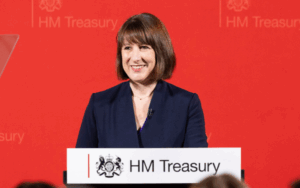

Chancellor Rachel Reeves is reportedly considering reducing the current £20,000 annual Cash ISA allowance, with the Financial Times suggesting the limit could be cut to as little as £10,000. Reducing the annual Cash ISA allowance isn't a new idea; however, reports have continued to resurface as the government seeks ways to boost the UK economy by encouraging more people to invest rather than hold their money in cash.
Why is a cut to the Cash ISA allowance being considered?
The aim of the proposal is to foster a stronger investment culture in the UK. The government believes that increased investment in stocks and shares could lead to better long-term returns for individuals and provide vital funding for British businesses to grow.
Currently, a large number of savers in the UK prefer the safety of cash. Government statistics show that of the 22.3 million ISA holders, 14.4 million only have a Cash ISA. Supporters of the cut argue that holding too much in cash can be damaging over the long term, as the value of savings can be eroded by inflation if interest rates don't keep up.
What are the arguments for and against the change?
As with any potential policy change, there are two sides to the story.
Arguments for cutting the allowance
- It could encourage more people to consider investing, potentially leading to higher returns over the long run.
- It could provide a boost to the UK economy by channelling more money into British companies.
Arguments against cutting the allowance
- It could penalise cautious savers who are not in a financial position to take on the risks associated with investing.
- It could make the ISA system more complicated and confusing for savers to navigate.
- Some industry experts warn it could lead to higher mortgage rates, as building societies often use the money from Cash ISA deposits to fund their lending.
Who would be impacted by a cut to the Cash ISA allowance?
A change to the Cash ISA allowance would mainly impact those who save more than the proposed new limit into a Cash ISA each year. For example, if the limit was halved to £10,000, a couple who could previously save £40,000 a year tax-free in cash would be limited to a combined £20,000. Many savers, particularly older savers and pensioners, value stability and often want easy access to their money. They are less concerned with growth and may be hesitant to invest due to the inherent risks and fluctuations involved. If they were to resist the treasury's investment push and keep their money in cash, they could end up paying more tax on the interest they earn from their savings. This is because the Personal Savings Allowance (PSA) only allows basic-rate taxpayers to earn £1,000 in interest each year before they have to start paying tax. For higher-rate taxpayers, this allowance is £500, and for additional-rate taxpayers, it is zero.
What happens next?
It is important to remember that nothing has been confirmed yet. These are currently just proposals that are being considered. If the government decides to proceed with a change, an official announcement would likely be made in the Autumn Budget, which is scheduled for November 26th. However, any new rules are unlikely to come into effect immediately, with the earliest start date likely to be the new tax year in April 2026. For now, the current ISA rules remain in place, and you can still save up to the full £20,000 in a Cash ISA for the 2025/26 tax year.


£200 Pension Cashback Offer
Make a qualifying deposit or transfer a pension to our partner Interactive Investor.
- Deposit or transfer a pension of at least £20k and you could earn £200 cashback
- Terms and Fees apply, Capital at risk
- New & Existing customers opening a SIPP
- Offer ends 31st July 2026
Before starting your transfer, check you won't lose any valuable benefits (such as guaranteed annuity rates or a lower protected pension age) and find out what exit fees you might have to pay

