
 (UPDATE 11TH JULY 2025 - it has now been reported by the Financial Times on 11th July 2025 that Rachel Reeves has decided to not cut the cash ISA allowance as previously stated in this article below)
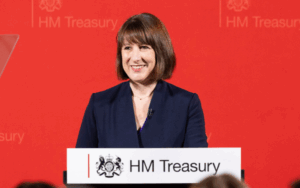
Chancellor of the Exchequer Rachel Reeves is set to finally announce plans to reduce the tax-free limit on cash ISAs, according to the Financial Times. Previous reports had suggested that the amount savers could deposit would fall from £20,000 to just £4,000 or £5,000, but it is understood the exact amount has yet to be finalised.
Reeves is expected to lay out the plans as part of the Treasury's "financial services growth and competitiveness strategy" that will be published alongside her Mansion House address on 15th July.
Why has their been so much discussion over the cash ISA limit this year?
The current government has not made any changes to the cash ISA limit yet, but there has been no shortage of speculation in recent months.
Cutting the cash ISA limit was originally proposed after Reeves met with senior city executives at the beginning of the year for a discussion on boosting economic growth. The Treasury seemed to conclude that limiting tax-free cash savings options would increase investment in stocks and shares, and inject more money into the economy. However, after a backlash against the proposal and counter-lobbying from banks, Reeves seemed to announce a u-turn when she told the BBC "I absolutely want to preserve that £20,000 tax-free investment that people can make every year."
Some news outlets reported this as confirmation that the full cash ISA limit would remain, while others saw it only as a promise to hold the overall ISA limit, with no commitment on cash.
Now, it seems Reeves has come full circle and settled on reducing how much savers can keep in cash tax-free. The theory is that savers will invest in a tax-free stocks and shares ISA rather than pay tax on their savings interest, thereby moving money away from cash holdings and into UK businesses. The government is also hoping this will encourage a wider cultural shift away from savings and towards investments. Emma Reynolds, Economic secretary to the Treasury, told a House of Lords committee meeting earlier this year: "Why have we got hundreds of billions of pounds in cash ISAs? We have failed to drive an investment culture."
What are the current ISA rules?
ISAs (individual savings accounts) allow savers and investors to shield their interest, dividends and capital gains from tax. The government limits how much you can put into an ISA each tax year, with the current maximum set at a total of £20,000. This overall limit applies across cash ISAs, innovative finance ISAs, stocks and shares ISAs and Lifetime ISAs (you can only contribute up to £4,000 in a given tax year to a Lifetime ISA). You can separately add £9,000 to a Junior ISA per child per tax year.
The interest, dividends and capital gains you earn from your ISA is not taxed, so making the most of the allowance each year is important to many savers and investors.
What would be the effect of cutting the cash ISA limit?
Supporters of the plan to cut the cash ISA limit argue that savers would invest the extra money they cannot put in their cash ISA, rather than put it in a savings account where the interest could be taxed. In theory, this would inject more money into the UK economy and boost growth.
It would also help those reluctant investors protect their money from inflation. While many people are attracted to the security of a cash ISA, especially since interest rates have risen from years of record-low levels, it is still common for inflation to outstrip the rate of interest paid out on cash. This means that while the amount of money in your cash ISA goes up each year, the value of that money is being eroded by inflation. The argument is that, over the long term, investments are able to beat inflation when cash is not.
Of course, many savers – specifically older savers and pensioners – are not putting money away for the long term and value stability, easy access and certainty over growth. These savers would be less likely to benefit from investing due to the inherent risks and fluctuations involved. If they were to resist the treasury's investment push and keep their money in cash, they could end up paying more tax on the interest they earn from their savings.
Other detractors include banks and building societies that argue they rely on the money held in cash ISAs as a key source of funding, especially for mortgages and other lending. Cutting the cash ISA limit and reducing the amount of money held in cash by savers could therefore affect borrowing costs and mortgage affordability.
There is also scepticism that money invested in stocks and shares ISAs rather than saved in cash ISAs would boost UK businesses. It is possible to invest in a range of different businesses and funds through a stocks and shares ISA and currently no structure is in place to limit investments purely to British firms.
How is interest on savings taxed?
The personal savings allowance for a basic rate taxpayer is currently £1,000, which means you can earn up to £1,000 of interest on your savings in the tax year without having to pay tax on it. This allowance drops to £500 for higher-rate taxpayers and is reduced to zero for additional-rate taxpayers.
For example, a basic rate taxpayer with one of the top easy access savings accounts paying around 5% in interest would be able to hold around £20,000 in an account for a year before they started paying tax. Any more and the interest earned in a year would exceed £1,000 and the excess would be taxed.
This is why savers value maximising their tax-free cash ISA allowance, though there is an argument that the historic return on investments outstrips cash to the extent that you could be better off paying tax on your savings and using your ISA allowance to maximise your tax-free investments.
What are the benefits of a cash ISA?
A cash ISA allows savers to protect the interest they earn from tax and offers an alternative to the riskier option of investing in the stock market. Historically, investing provides better returns, but some people will value being able to access their money quickly over growing their pot. The risks involved with investing will also not suit certain people, as will the longer-term approach that most investors employ.
Cash is easier to understand than stocks and shares, but with record inflation levels still in recent memory it is understandable that the government is looking to shift the UK's preference for cash. Money to the Masses is dedicated to helping people make the most of their money and we have a range of articles for beginner investors. Here are some to check out:
- 'Are stocks and shares ISAs worth it?'
- 'How to open a stocks and shares ISA'
- 'What is a flexible ISA?'
- 'Lifetime ISAs explained'






 MTTM AI (beta)
