
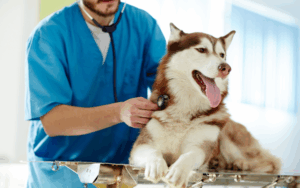
 Pet owners could soon find it easier to manage the cost of vet bills under major reforms proposed by the UK’s competition watchdog. The Competition and Markets Authority (CMA) has outlined a series of significant reforms for the £6.3 billion veterinary industry after an investigation uncovered concerns that pet owners are not getting a fair deal. The proposals aim to address the lack of price transparency and reduced competition in the market, which may lead to higher costs for essential treatments and medicines. With millions of households in the UK owning a pet, these changes could have a significant impact on family finances.
Why is the vet market being reformed?
The CMA launched its review earlier this year following concerns about the rising cost of vet services. The investigation identified several key issues that were impacting pet owners, most notably a lack of transparent pricing. It found that many vet practices do not display a list of fees, making it difficult for pet owners to compare costs before committing to treatment. This can be especially challenging during an emergency, when there is little time to shop around.
The investigation also highlighted how the market has become concentrated, with six large corporate groups now owning around 60% of vet practices in the UK. This includes well-known names such as CVS Group, IVC, Linnaeus, Medivet, Pets at Home, and VetPartners. The CMA is concerned that reduced competition in some areas is giving pet owners less choice.
The watchdog also found that pet owners were not being told they could ask for a prescription and buy cheaper medication elsewhere, such as online or from a different pharmacy.
What are the proposed changes?
The CMA is consulting on a range of proposals that would require veterinary practices to make fundamental changes to how they operate. The key proposals include:
- Mandatory Price Lists - Requiring vets to display a clear list of prices for their most common services, helping customers to compare costs more easily.
- Itemised Bills - To provide written estimates and itemised bills for treatments totalling more than £500
- Greater Prescription Choice and capping charges - Ensuring vets inform pet owners of their option to obtain a prescription and purchase medication elsewhere. They also wish to cap the price of providing prescriptions at £16.
- Improved Information - Providing pet owners with better access to information on treatment outcomes and quality of care from different providers.
- Tackling Market Concentration - In some local areas where a single company owns multiple practices, the CMA could force the firm to sell off (or divest) some of its clinics to improve competition. They must also clearly state when a practice is part of a corporate chain.
- Modernising Regulation - The CMA may recommend a formal review of the decades-old regulations governing the veterinary sector.
What do the proposals mean for pet owners?
If implemented, the reforms are designed to help pet owners make better-informed decisions about their pet's care, while also saving money. Greater transparency on pricing allows pet owners to see prices upfront and shop around for routine procedures like vaccinations or neutering. Similarly, being made aware of your right to a prescription could significantly cut the cost of long-term medications for pets with chronic conditions. These changes are still at the proposal stage, and the CMA is now consulting on its findings. A final decision on which actions to take is expected by early 2026.
How to save money on vet bills now
While these proposed reforms will take time to come into effect, there are steps you can take today to manage the cost of your pet care:
- Ask for prices upfront - Don't be afraid to ask for a breakdown of costs before you agree to any treatment. For non-urgent care, you can call different local practices to compare prices.
- Request a prescription - You have the right to ask for a written prescription for your pet's medication. Your vet may charge a small administrative fee, but buying from a cheaper online pharmacy can result in substantial savings.
- Consider pet insurance - Having a good pet insurance policy can provide peace of mind and protect you from unexpected, large vet bills. Always check the level of cover and any exclusions before you buy. Check out our article 'The best pet insurance policy in the UK'
- Don't skip routine check-ups - Preventative care, such as vaccinations and regular health checks, can help catch problems early and avoid more expensive treatments down the line.



 MTTM AI (beta)
