
 The energy price cap, which is the maximum amount of money suppliers can charge for each unit of gas and electricity, fell by 7% from 1st April. It means that average annual energy bill will fall from £1,758 to £1,641 for a typical dual-fuel household.
While this adjustment occurs automatically, over 9 million households in the UK are at risk of being overcharged. In this article, we explain who is at risk and what you should do to ensure your energy usage is billed correctly.
Who is at risk of overpaying?
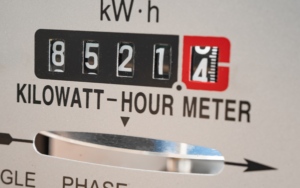
If you do not have a smart meter that sends data automatically, your energy supplier relies on 'estimates' to calculate your energy bill. When the price cap changes, there is a risk that your provider may estimate that you used more energy at the older, more expensive rate than you actually did. Submitting a manual meter reading on or as close to 1st April 2026 ensures there is no doubt and guarantees that every unit of energy you use from 1st April onwards is charged at the new, lower price.
The new April 2026 rates at a glance
The following table shows the average unit rates and standing charges for Direct Debit customers from 1st April 2026 to 30th June 2026. While unit rates are falling, the daily standing charge for electricity has increased slightly. The overall impact represents a saving of approximately £117 a year for the average dual-fuel household that pays by direct debit.
| Fuel Type | New Unit Rate (per kWh) | New Daily Standing Charge |
| Electricity | 24.67p (Down from 27.69p) | 57.21p (Up from 54.75p) |
| Gas | 5.74p (Down from 5.93p) | 29.09p (Down from 35.09p) |
Prices predicted to rise again this summer
While the price drop is welcome, it may be short-lived. Analysts have warned that global wholesale energy costs are rising once again, driven by a surge in oil and gas prices amid ongoing geopolitical tensions and conflict in the Middle East. Current predictions suggest the energy price cap could spike by as much as 20% in July 2026, pushing average bills back up to around £1,800 to £1,900 per year. You can read more about these projections in our article ‘Energy prices set to soar this summer – latest predictions’.
How to submit a meter reading
Taking a meter reading is straightforward, and most suppliers offer several ways to submit the information. If the website or phone lines are busy, most providers allow a short grace period in order to backdate your reading.
- Take a photograph - Use a mobile phone or camera to take a clear picture of your meter dials. This provides you with a dated record of the exact reading to refer back to.
- Use a mobile app or online account - Most major energy suppliers allow customers to enter readings directly through their mobile apps or online portals.
- Use automated phone lines - Many providers also offer dedicated automated phone lines for submitting readings, helping you avoid long customer service queues.
What to do if you are struggling to afford your energy bills
If you are struggling with your energy bills, the most important step is to contact your supplier as soon as you can. They can often work with you to arrange an affordable repayment plan, making your monthly outgoings much more manageable.
Depending on your circumstances, there are several other ways to get support:
- The Fuel Direct Scheme - If you receive certain government benefits, you may be able to gradually pay off your energy debt directly from your benefit payments.
- Energy supplier grants - Many energy providers offer their own hardship funds and schemes to help vulnerable customers clear their debts.
- The British Gas Energy Trust - This independent charity provides financial support and grants to anyone facing energy debt, regardless of which company supplies your energy.
If you are unsure where to start, the Citizens Advice website offers a breakdown of the various schemes and grants available to help you get back on track. Other useful websites inlcude:
- MoneyHelper (previously the Money Advice Service)
- The money charity
- StepChange
- National Debtline
- Turn2us
- Payplan




 MTTM AI (beta)
