
 On this page you can find out which credit cards we recommend in each of the major categories. We have also included all of the key information you need to to know about getting a credit card. When choosing the best credit card from the wide array available, it is useful to consider what that credit card does and how it works. You can then pick the very best option for the job you need it to do, which could be transferring a balance, spreading the cost of a purchase, earning cashback or collecting rewards.


What is a credit card and how does it work?
Credit cards provide a tool to help people manage their finances by borrowing money up to a set credit limit, which is then paid back in full or spread over monthly instalments. The amount that needs to be paid back will be determined by the interest rate as well as any special offers, which often include interest-free periods when you first take out the card. You can read more in our article 'What is a credit card?'.
Credit cards fall into a number of different categories, including balance and money transfer options that allow you to manage existing debts or short-term cash-flow issues. There are also cards designed for those purchasing big-ticket items that offer low rate or 0% interest periods, as well as those that provide cashback, rewards and other perks. Finally, some cards are designed specifically for business users, frequent travellers or those looking to build their credit rating.
Here we guide you through the UK market to help you find the best credit cards for you. These specific cards have been chosen by considering factors including the interest rate, annual fees, introductory offers, interest-free periods, rewards and cashback.
Find out which credit card is best for you
Money to the Masses has partnered with Creditec* to help find the best credit card for you. By entering a few basic details, you will be able to see a tailored list of the best credit cards based on your individual circumstances. You can sort your results by the feature that interests you most, such as by card type, total fees or cashback offered. On top of this, the credit cards that have been pre-approved for you will be highlighted, meaning you can be more confident that you will be accepted if you apply. (Pre-approval does not guarantee acceptance and is still subject to additional lender checks). Your details will be used to conduct a soft credit search often referred to as an eligibility check, which means your credit score will not be affected. Click on this link to get started*.
The best credit cards - June 2026
| Card | Annual fee | Key benefits | Representative APR (variable) | Best for |
| Lloyds Bank Platinum 0% Purchase Credit Card - Check eligibility | £0 | 0% interest for up to 25 months on purchases and up to 23 months for balance transfers (2.99% fee applies) | 24.90% | Balance transfers and purchases |
| M&S Bank Purchase Plus Credit Card - Check eligibility* | £0 | 0% interest for 25 months on purchases and 12 months on balance transfers (3.49% fee, min £5) | 24.90% | 0% purchase |
| TSB Balance Transfer Credit Card - Check eligibility | £0 | 0% interest on balance transfers for up to 38 months (3.49% fee) | 24.90% | 0% balance transfer |
| Tesco Bank All Round Credit Card - Check eligibility | £0 | 14 months interest-free for money transfers (3.99% transfer fee) | 24.90% | Money transfer |
| Tesco Bank Foundation Credit Card - Check eligibility | £0 | Collect Tesco Clubcard points, track spending through the mobile app and 3 years of free access to your credit report and score | 29.90% | Building credit |
| American Express Cashback Everyday Credit Card | £0 | New cardmembers get 5% cashback on purchases (up to £125) for the first five months of cardmembership.
Cashback rate falls to 0.5% after the five months end, then rises to 1% once you spend £10,000. Minimum annual spend of £3,000 to qualify for cashback. Cashback credited to card balance after 12 months |
29.10% | Earning cashback |
| American Express Preferred Rewards Gold Credit Card | £195 (£0 in the first year) | 40,000 Amex points (up from 20,000 until 26th May) if you spend more than £5,000 (up from £3,000 until 26th May) in the first 6 months (up from 3 months until 26th May)
Plus 1 point for every £1 spent, 2 points per £1 for purchases made directly with an airline, 3 points per £1 for spending with American Express Travel |
85.80% | Rewards points |
| Lloyds Ultra Credit Card - Check eligibility | £0 | 0% foreign transaction fee, 0% cash withdrawal fee and 1% cashback on purchases for 12 months | 12.90% | Travelling abroad |
| Lloyds Ultra Credit Card - Check eligibility | £0 | Long-term low interest rate | 12.90% | Low APR |
| Barclaycard Select Cashback Credit Card | £0 | 1% cashback on spending (when you spend over £2,000 per statement month), free access to accounting software FreshBooks | 25.50% | Business spending |
| TSB Student Credit Card | £0 | Up to £1,000 credit limit | 21.90% | Students |
Best all-round credit card
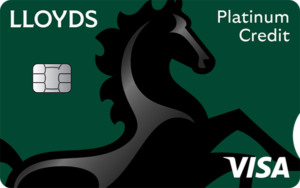 Lloyds Bank Platinum 0% Purchase Credit Card - Check eligibility
- Best for: The longest maximum 0% balance transfer and purchase periods (some successful applicants may get less)
- Representative APR: 24.90% APR after interest-free period
- Interest-free period: Up to 25 months on purchases and 23 months for balance transfers (2.99% fee applies)
- Annual fee: £0
- Why we like it: This card offers excellent flexibility and a long interest-free period on both purchases and balance transfers. There is no monthly fee, however, those wishing to transfer a balance will be required to pay the 2.99% balance transfer fee. You can read more on the Lloyds site here.
For other best-buy all-round options, see our article 'Which are the best balance transfer and purchase credit cards?'.
Best 0% purchase credit card
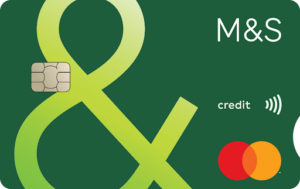 M&S Bank Purchase Plus Credit Card - Check eligibility*
- Best for: The longest guaranteed 0% purchase period, plus rewards for your spending
- Representative APR: 24.90% variable
- Interest-free period: 25 months on purchases and up to 12 months on balance transfers (3.49% fee, min £5)
- Perks: Collect points that can be converted to M&S vouchers - 1 point for every £1 spent in M&S and 1 point for every £5 spent elsewhere
- Annual fee: £0
- Why we like it: The longest guaranteed interest-free period available and you can earn rewards on your spending. Read more on the M&S Bank website.
For other best-buy 0% purchase options, see our article 'Compare the best 0% purchase credit cards'.
Best 0% balance transfer credit card
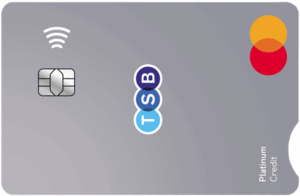 TSB Balance Transfer Credit Card - Check eligibility
- Best for: The longest 0% balance transfer period
- Representative APR: 24.90% variable
- Representative example: When you spend £1,200 at a purchase rate of 24.90% (variable) p.a., your representative rate is 24.90% APR (variable)
- Interest-free period: Up to 38 months
- Transfer fee: 3.49%
- Annual fee: No annual fee
- Why we like it: This card offers a long interest-free period on balance transfers. If you want a fee-free option, Barclaycard offers an alternative, though with a shorter interest-free period of 14 months.
Read more on the TSB website. For other balance transfer options, see our article 'Best 0% balance transfer credit cards'.
Best money-transfer credit card
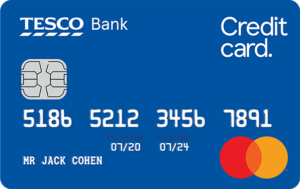 Tesco Bank All Round Credit Card - Check eligibility
- Best for: The longest 0% money-transfer period
- Representative APR: 24.90% variable
- Interest-free period: 14 months
- Transfer fee: 3.99%
- Perks: Earn 5 Tesco Clubcard points when you spend £4 in Tesco, earn 1 point for every £4 spent on Tesco fuel (excluding Esso) plus 1 point for every 1 litre bought, and earn 1 Clubcard point when you spend £8 outside of Tesco
- Why we like it: This card has a 14 month interest-free period for money transfers and a 14 months interest-free period on balance transfers and purchases. Cardholders can also collect extra Clubcard points when spending on the card. Find out more on the Tesco Bank website.
For more details on money transfer cards and alternative options, read our article 'A complete guide to the best money transfer credit cards'.
Best credit-building credit card
Tesco Bank Foundation Credit Card - Check eligibility
- Best for: Accessing and building credit
- Representative APR: 29.90% variable
- Starting credit limit: £250 to £1,500, monthly repayments from £25
- Eligibility: CCJs are considered if more than 18 months old
- Perks: Collect Tesco Clubcard points, track spending through the mobile app, 3 years of free access to your credit report and score
- Why we like it: Although it is slightly more stringent on who it will accept than some rivals, Tesco offers the added bonus of Tesco Clubcard points and access to your credit report and score. You can read more on the Tesco site here.
Read about the best options for those with bad credit in our article 'Compare the best credit cards if you have bad credit'.
Best cashback credit card
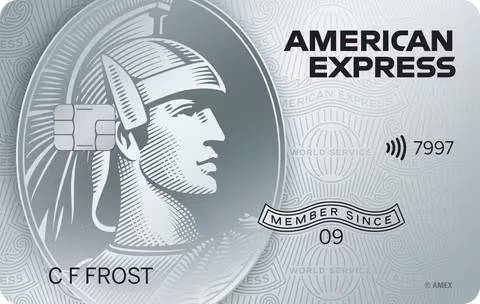 American Express Cashback Everyday Credit Card
- Best for: Fee-free cashback and perks
- Representative APR: 29.10% (variable)
- Representative example: When you spend £1,200 at a purchase rate of 29.10% (variable) p.a., your representative rate is 29.10% APR (variable)
- Cashback: 5% cashback on purchases (up to £125) for the first five months of cardmembership, if you have not held a personal American Express card within the previous 24 months. Cashback rate falls to 0.5% after the five months end, then rises to 1% once you spend £10,000. Minimum annual spend of £3,000 to qualify for cashback. Cashback credited to card balance after 12 months
- Rewards: Offers and discounts with selected travel and retail partners, as well as pre-release tickets to music, cinema and theatre through American Express Experiences
- Interest-free period: Maximum 56 days on purchases if you pay the full amount you owe on each statement date on time each month. No interest-free period on balance/money transfers or cash advances (subject to any interest-free promotional offer)
- Annual fee: £0
- Why we like it: American Express is known for its market-beating rewards schemes and this card does not disappoint, combining attractive cashback and rewards without the high annual fees attached to some of its other cards. You can read more on the Amex site here.
Read about the best cashback and reward credit card options in our article 'Which are the best cashback credit cards UK?'.
Best rewards credit card
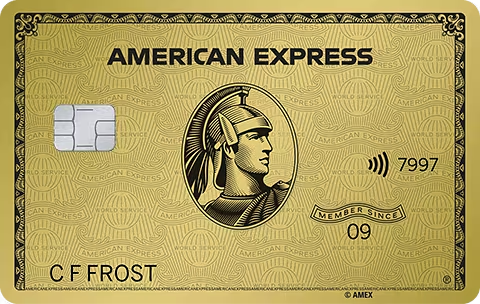 American Express Preferred Rewards Gold Credit Card
- Best for: Earning rewards points on your spending
- Representative APR: 85.80% (variable)
- Representative example: When you spend £1,200 at a purchase rate of 29.10% (variable) p.a. with a fee of Year 1 - £0, Year 2 onwards - £195 per annum, your representative rate is 85.80% APR (variable)
- Rewards offer: 40,000 Amex points (up from 20,000 until 26th May) if you spend more than £5,000 (up from £3,000 until 26th May) in the first 6 months (up from 3 months until 26th May)
- Rewards rate: 1 point for every £1 spent, 2 points per £1 for purchases made directly with an airline, 3 points per £1 for spending with American Express Travel
- Interest-free period: Maximum 56 days on purchases if you pay the full amount you owe on each statement date on time each month. No interest-free period on balance/money transfers or cash advances (subject to any interest-free promotional offer)
- Annual fee: £195 (£0 in the first year)
- Why we like it: Although it has a high APR and annual fee (after year one), this American Express card offers a great deal of flexibility as you can use the points with numerous air miles loyalty schemes, as well as with a wide range of retailers. You can read more on the Amex site here.
Find more of the best rewards credit cards on our 'Compare the best rewards credit cards in the UK' page.
Best travel credit card
 Lloyds Ultra Credit Card - Check eligibility
- Best for: Earning as you spend abroad and in the UK
- Foreign transaction fee: 0%
- Cash withdrawal fee: 0%
- Representative APR: 12.90% variable
- Perks: Earn 1% cashback on everyday spending (excluding balance transfers, money transfers, cash withdrawals, buying currency or travellers’ cheques or gaming-related purchases) for the first 12 months, then 0.25%.
- Why we like it: Earn cashback with one of the top cashback credit cards on the market and avoid foreign transaction fees. You can read more on the Lloyds Bank site here.
For a comprehensive review of travel credit cards, see our article 'Compare the best travel credit cards'.
Best low-rate credit card
Lloyds Ultra Credit Card - Check eligibility
- Best for: Earning as you spend abroad and in the UK
- Foreign transaction fee: 0%
- Cash withdrawal fee: 0%
- Representative APR: 12.90% variable
- Perks: Earn 1% cashback on everyday spending (excluding balance transfers, money transfers, cash withdrawals, buying currency or travellers’ cheques or gaming-related purchases) for the first 12 months, then 0.25%.
- Why we like it: For those who choose not to switch between interest-free introductory offers, Lloyds Bank provides a consistently low APR for a long period, which allows you to budget more easily.
Find more of the best rewards credit cards on our 'Best low interest credit cards' page.
Best business credit card
 Barclaycard Select Cashback Business Credit Card
- Best for: Businesses looking to earn cashback
- Representative APR: 25.50% variable
- Annual fee: £0
- Credit facility: Subject to application, financial circumstances and borrowing history (minimum of £1,000)
- Perks: Uncapped 1% cashback on eligible business spending (when you spend over £2,000 per statement month), free access to accounting software FreshBooks.
- Why we like it: In a crowded space, the Barclaycard Select Cashback credit card represents the middle ground between no-frills, fee-free options and the all-singing, all-dancing business cards handy accounting software but budget-busting annual fees
Find other best-buy business cards in our article 'Compare the best and cheapest business credit cards'.
Best student credit card
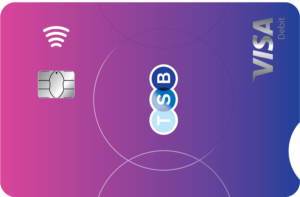
- Best for: Students looking to foster good credit habits
- Representative APR: 21.90% variable
- Credit limit: Subject to status
- Perks: 0% interest if you pay the balance in full each month
- Eligibility: Must have had a TSB student account for at least 3 months prior to applying
- Annual fee: £0
- Why we like it: Credit limit is subject to status. The incentive of being interest-free means that it could be a good foray into credit cards for those who pay the balance in full each month
How to make the most of your credit card
The key to making the most of your credit card is to utilise the main feature of that card efficiently. That could be earning cashback, building up rewards points, consolidating debt through a balance transfer or spreading the cost of a purchase. You could also use a credit card to build a credit score, allowing you to access better cards and more borrowing options in the future.
The major pitfall to avoid is using a credit card in the wrong way. This could be using a 0% purchase credit card for a money transfer, spreading the cost of a purchase using a rewards card or transferring a balance with a cashback credit card. This will likely prove very expensive and land you with high fees and interest charges that you could have avoided by picking the right card for the job in the first place.
What to consider before you get a credit card
When looking at the options available, first consider: do you need a credit card? Can you afford to take on the debt and service the monthly repayments? Are there other financial products, such as personal loans, which may better suit your needs and cost you less in the long run? While credit cards have many benefits, they are not suitable for everyone and can lead to financial problems if misused or mismanaged.
Before you start your application, it pays to consider your eligibility and likelihood of being accepted, as failed applications will appear on your credit record. A good place to start is checking your credit score through services such as Experian, Clearscore, MSM Credit Monitor or Credit Karma, which will give you a good indication of how likely you are to be successful.
You can then check your eligibility without leaving a footprint on your credit record. If you are turned down for a credit card, don’t apply for any more. Instead, consider asking the provider why you were rejected and see what you need to do to repair your credit score. There is great advice on how to do this in our article 'How to improve your credit score quickly'.
Pros and cons of credit cards
Here are the main advantages and disadvantages of getting a credit card:
Pros of credit cards
- By using a credit card for purchases between £100 and £30,000, you are protected under section 75 of the Consumer Credit Act if the goods or services are faulty, aren’t delivered as promised, aren’t as advertised or if the trader or retailer goes bust.
- Sensible use of credit can help improve your credit score, which could help secure loans, mortgages or other borrowing in the future.
- Credit cards can be used to reduce or pay off other debts, such as personal loans, store cards or payday loans. By making the most of interest-free periods, you can make a sizeable saving and potentially pay off debts sooner.
- If you can pay off the card in full each month, you can benefit from great cashback and reward deals from many providers.
Cons of credit cards
- Credit cards can be expensive, with interest rates and fees often making them more costly than other borrowing options
- It can be easy to get caught in a spiral of debt if you start to miss payments or spend more than you can feasibly pay off. In the long term, this can affect your credit score and may impede future borrowing. If you find yourself in this situation, look at our article on 'Where to get free debt advice'.
Alternatives to credit cards
A loan is an obvious alternative to a credit card if you are looking to borrow. Like a credit card, a loan involves borrowing money and paying back what you owe, plus interest. A loan is more likely to be suited to one-off big purchases or debt consolidation. A credit card is probably your best option if you want to borrow for everyday spending or to earn rewards. We go into more detail in our article ‘Is it better to get a credit card or a personal loan?’. If you decide that a loan is the right option for you, make sure you know the difference between the two main types. Read our article ‘Secured vs unsecured loans: Which is best for me?’ to learn more.
You could choose not to borrow any money at all. If you already have cash in your current account, simply spending on your debit card could be a good option. There are lots of benefits to using debit cards for everyday spending, including cashback, rewards and sign-up incentives. You can also avoid the possibility of getting yourself into problematic debt, being charged for cash withdrawals and having to pay interest. Read our article ‘Best bank account switching offers, cashback & incentives’ to see what options are available.
If you want to borrow money without using a credit card, you could consider adding an overdraft facility to your current account. This can be a good short-term option without having to go through the credit card application process. However, not everyone will be approved for an overdraft and it can cost you additional monthly fees and charges.
A prepaid card can be a useful budgeting tool if you are concerned about borrowing money. With a prepaid card, you can usually only spend the amount of money loaded onto the card. Though this can be limiting when it comes to big purchases or emergencies, it will make you less likely to fall into debt. We have more information in our article ‘A complete guide to prepaid cards - which is the best for you?'.
If a link has an * beside it this means that it is an affiliated link. If you go via the link Money to the Masses may receive a small fee which helps keep Money to the Masses free to use. But as you can clearly see this has in no way influenced this independent and balanced review of the product.


 MTTM AI (beta)
