
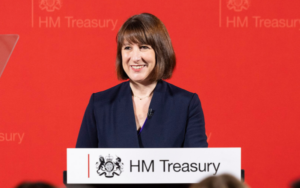
 Chancellor Rachel Reeves has delivered her Spring Statement to the House of Commons, and, as expected, it was a quieter affair than the Autumn Budget, with the government sticking to its pledge to hold only one major fiscal event per year.
Instead of sweeping tax changes or new spending announcements, the focus was firmly on economic stability. The Chancellor used the update to highlight falling inflation and steadying interest rates, while also addressing the economic risks posed by current global events, such as the conflict in the Middle East. Reeves stated that "This government has the right economic plan for our country in a world that has become yet more uncertain".
In this article, we provide a summary of the key points from the Spring Statement. We also explain what the latest economic forecasts mean for your money.
What is the state of the UK economy?
Alongside the Chancellor’s speech, the Office for Budget Responsibility (OBR) published its latest economic forecasts. The OBR is the independent watchdog that assesses the government's financial plans and provides an economic outlook. We've summarised the key points below:
- Inflation - The rate of inflation has fallen significantly to 3% over the last year. However, it remains above the Bank of England's 2% target, and the OBR warned that global tensions and energy market disruptions could put upward pressure on prices.
- Economic growth - The forecast for UK economic growth (known as Gross Domestic Product or GDP) has been slightly downgraded for this year. The economy is now expected to grow by 1.1% in 2026, before rising to 1.6% in 2027.
- Unemployment - Unemployment is predicted to peak at 5.3% this year due to weaker demand in the jobs market. It is then expected to fall gradually over the coming years, reaching an estimated 4.1% by 2030.
- Government borrowing - Public sector borrowing is forecast to fall steadily from 4.3% this year to 1.8% by 2030. The Chancellor also has a slightly larger 'fiscal headroom', a financial buffer against unexpected shocks, which now stands at £23.6 billion.
How does the Spring Statement affect your household finances?
Because this was an update rather than a full Budget, there were no new headline tax cuts or benefit changes. However, several previously announced measures and ongoing economic trends are still relevant, and the Chancellor took the opportunity to highlight some of these.
- Mortgage savings - Following recent interest rate cuts, the government estimates that households remortgaging onto a typical new fixed-rate deal will save over £1,300 a year.
- Family and childcare support - The Chancellor reaffirmed the government's commitment to easing the cost of living for families. This includes the ongoing rollout of 30 hours of free childcare, the introduction of free breakfast clubs, and the removal of the two-child benefit limit to help boost family incomes.
- Energy bills - The Chancellor reiterated the policy of removing green levies from household energy bills. Announced as part of the Autumn Budget, the change was expected to save the average household around £150 a year from April, providing some relief against volatile global energy markets.
- Wage increases - A reminder was given about the upcoming changes to the National Living Wage. From April, the rate for workers aged 21 and over will rise by 4.1% to £12.71 per hour. Younger workers aged 18 to 20 will also see their minimum wage increase to £10.85 an hour.
- Fuel duty - The current 5p-a-litre cut in fuel duty remains in place until the end of August. While there were calls for a further freeze, drivers should continue to monitor pump prices carefully as global oil prices fluctuate. To check petrol prices in your area, check out our article 'Petrol stations to share prices within 20 minutes of changes'.
What should you do next?
While the Spring Statement paints a relatively positive picture of falling inflation, it is important to remember that these official forecasts were being prepared ahead of the conflict in the Middle East. The OBR stated: "Conflict in the Middle East, which escalated as we were finalising this document, could have very significant impacts on the global and UK economies".
This means that the economic outlook could change very quickly. We have already seen a rapid rise in oil prices this week, and if we start to see similar spikes in the cost of travel and food, inflation could start to rise once again. Consequently, rising inflation is bad news for those hoping for an interest rate cut and we explain this in more detail in our article 'Why the gas and oil price surge could block an interest rate cut this month'.
While you cannot control interest rates, you can prepare for them. If you have a mortgage expiring soon, you can speak to an independent mortgage broker up to six months in advance to lock in a rate. If rates drop before your current deal ends, you can usually switch to the cheaper offer, giving you a safety net against ongoing uncertainty.
Finally, given the potential for everyday costs to fluctuate, ensuring your savings are earning the best possible return is essential. You can find the best savings accounts in our article ‘Best savings accounts in the UK’.






 MTTM AI (beta)
