
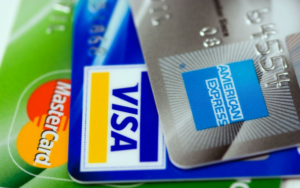
 Getting a credit card can mean you are able to access great rewards and earn cashback on your spending. You could consolidate your debt, spread the cost of a purchase and access emergency funds. However, using a credit card also means taking on debt and potentially paying interest on what you borrow. Whether a credit card is the right option for you will depend on your financial circumstances and the type of credit card you are considering. We will take you through all of the upsides and potential pitfalls of a credit card to make sure you are heading in the right direction.
Why should I get a credit card?
Using a credit card comes with a range of benefits if you are confident you can repay your spending every month or afford the interest on your borrowing. A credit card can also be an important tool for building up credit.
You can find out more about how a credit card works by reading our article ‘What is a credit card?’.

It is a good idea to ask yourself why you want a credit card and consider whether any of the main benefits fit with how you spend your money. Below are some of the main reasons someone might choose to apply for a credit card.
1.) Spread the cost
You can use a credit card to spread the cost of a particularly expensive purchase over many months. This is because some credit cards offer interest free spending for an introductory period, often 12 months or longer. You can buy something with your card, then pay the card off bit by bit over the course of the year without being charged any interest. This can be useful if you don’t have the cash to make a certain purchase, but you know you will have enough extra income every month to effectively pay for it in instalments.
It is important to at least meet your credit card’s minimum repayment every month and pay off the card in full by the time the interest-free period ends. If you do not pay off the full balance of the card by then, the interest rate will likely go up and you will be charged more.
You can read our ‘Compare the best 0% purchase credit cards’ article to find the best option for you.
2.) Cheap borrowing
A credit card can be a good way to borrow money cheaply, or even for free. You will not pay interest on your spending if you pay the card off in full every month. There may also be no interest to pay if you have a 0% purchase credit card, though be aware that the interest rate can rise after the introductory 0% offer ends. You can buy something at the beginning of the month and not actually pay for it until the end of the month, without being charged interest.
This means that if you need to borrow money for a short period – for example until your next payday – a credit card can be a cost-efficient way to do so. However, if you miss any payments, there is a risk your borrowing could get very expensive very quickly, depending on the card’s interest rate.
3.) Rewards and cashback
Regular spending with a credit card can help you access a whole host of great rewards, special deals and cashback. This is because credit card providers want to incentivise customers to use its products instead of a competitor’s card. You can often accumulate points with your spending that you can then exchange for flights, vouchers or other rewards. Some cards will even offer you a percentage of your spending as cashback.
While these offers can be a great way of earning as you spend, it is important not to spend money when you do not need to – or when you cannot afford to – in an effort to gain extra points. Rewards can be a great way to monetise everyday spending, but it is rarely worth spending extra money just to get more points. In addition, rewards cards do not usually offer the lowest interest rates. This means that you will need to pay off the balance in full every month to avoid paying a significant amount of interest.
You can find the best rewards cards on our ‘Best rewards credit cards in the UK' page.
4.) Emergencies
A credit card can be a useful way to meet the costs you cannot afford to put off. This could be your car breaking down or your boiler failing – any big spend that has to be paid urgently, but that you might not immediately have the available cash to pay for. You can cover the emergency payment on your credit card, and then pay off the card at the end of the billing period.
It is important to make sure you can afford to pay off your credit card bill before the interest kicks in, otherwise your emergency may suddenly get much more expensive.
5.) Move expensive debt
Some debt can be much more expensive than other types of debt. It can be hard to pay off a high-interest credit card once your debt and interest payments start to build. One solution could be to take out a 0% balance transfer credit card or a low-interest balance transfer credit card. You can then move your expensive debt over and pay it off without having to worry about a high interest rate pushing up your repayments.
You could also use a balance transfer credit card to consolidate existing debt. For example, you may have multiple credit cards that you are struggling to pay off. Moving your debt over to a balance transfer card can simplify your repayments into one monthly bill and save you money on interest.
Keep in mind that low rates do not last forever. Once the introductory period ends, you could be moved onto a much higher rate. You may also need to pay a fee to transfer your debt, often 2-3% of the balance.
If you are struggling with debt, you may find that opening another line of credit is not the right option for you. We have more information on how to get free debt advice in our article ‘Where to get free debt advice’.
6.) Purchase protection
A good reason to get a credit card is to take advantage of the payment protection it offers. Section 75 of the Consumer Credit Act protects credit card payments of £100-£30,000. This is a legal right to get your money back if you are sold faulty goods or services. The protection can come in useful if you are making a big purchase, but want to know you can get your money back if something goes wrong.
The major credit card providers – Visa, MasterCard and American Express – also protect payments above and below the Section 75 limits. However, this is done voluntarily and is not a legal right.
You can read more about Section 75 in our article ‘Section 75 Consumer Credit Act details’.
7.) Build a credit history
A credit card can help you build a credit history and boost your credit score by showing you are a responsible borrower. If you have never borrowed money before or you have a poor borrowing history, you may be able to build up a good record of borrowing and repaying with a credit-builder card. Keeping to your credit limit and repaying the balance in full every month is key. Missing payments will quickly send your credit score in the wrong direction.
The point of a credit-builder card is to show you can spend borrowed money without exceeding the provider’s limit and without missing repayments. This can make it easier to borrow money in the future, as well as helping you access higher borrowing limits and better interest rates in the future. You can find out more in our article ‘Credit-builder cards – which is the best credit card if I have poor credit?’.
How to find out which credit card is best for you
Comparing different credit cards is a key part of getting the best deal for you. Money to the Masses has helped to simplify this process by partnering with Creditec*, an online comparison service. You do not need to trawl through countless different provider websites hunting for the best cashback or lowest fees, as Creditec’s personalised search results will show you the key details you need to know in one place. Your tailored list will also feature the cards that you are more likely to be accepted for, cutting down the chance of any applications you make being rejected. Your search results are built using a soft credit search, so there will be no damage to your credit score. You can start your search by clicking this link*.
The pros and cons of a credit card
Here is a summary of the main pros and cons of taking out a credit card, so you can see if it is an option that will suit your spending habits and financial circumstances.
The pros of a credit card
- Spread the cost of purchases
- Buy straight away, but pay back later
- Access valuable rewards and cashback
- Interest-free borrowing with 0% purchase cards
- Legally-binding payment protection
- Pay for emergency bills
- Build a credit history
- Consolidate expensive debt
The cons of a credit card
- Interest rates can be very high on some cards
- Interest rates can rise very quickly at the end of offer periods
- Expensive charges for taking out cash
- Taking on additional debt can make financial struggles worse
- Missing payments can affect your ability to borrow in the future
If a link has an * beside it this means that it is an affiliated link. If you go via the link Money to the Masses may receive a small fee which helps keep Money to the Masses free to use. But as you can clearly see this has in no way influenced this independent and balanced review of the product.


 MTTM AI (beta)
