
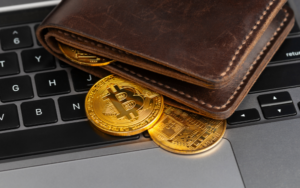
 A crypto wallet is not a digital version of a physical wallet to store your coins, it is where you keep your public key and your private key. These act as a username and password that enable you to interact with your crypto on the blockchain. Your holdings stay on the blockchain at all times, but your wallet stores the keys that verify your ownership. Without these keys, you cannot access your crypto and make transactions. A top crypto wallet is therefore vital to protect and secure your holdings. On this page, you can find our top picks for the best crypto wallets, plus everything you need to know to maximise security and use your cryptoassets safely.
 Partner Spotlight
Level Up Your Wealth with Crypto.com
Unlock Industry-leading rewards with Crypto.com’s premium membership.
- Zero trading fees on selected trades.
- Earn up 5% p.a. on idle cash with no lockups or minimum sum.
- Exclusive lifestyle benefits (Spotify/Netflix).
- One membership, multiple rewards.

Best crypto wallet in the UK
| Wallet | Trading fee | Available cryptos | Best features | Best crypto wallet for... |
| Uphold | 0.25% - 2.95% (plus spread) | BTC, LTC, ETH, BAT, BCH, DASH, BTG, XRP and more | Top usability and conversion features | Beginners |
| eToro | 1% (plus spread) | BTC, ETH, BCH, XRP, DASH, LTC, ETC, ADA, MIOTA, XLM and more | Manage a huge range of different assets beyond just crypto | Range of investments |
| Kraken | 0% - 0.4% (plus spread) | BTC, ETH, XRP, BCH, EOS, LTC, ADA, XLM, DASH, USDT, BEAM and more | Users are able to view the wallet code on github | Transparency |
| Coinbase | 0% - 0.60% | BTC, BCH, LTC, ETH and more | Users can easily connect to the Coinbase exchange | Convenience |
| Gemini | 0%-0.35% | BTC, ETH, XRP, BCH, EOS, LTC, ADA, XLM, USDT and more | Gemini may choose to reimburse users for losses from a security breach, fraudulent transfer or employee theft. | Reputation for security |
| Ledger Nano X | N/A (hardware costs around £136) | BTC, ETH, XRP, BCH, ADA, LTC, BNB, EOS, XTZ, XLM and more | This cold wallet can protect your holdings from online threats and is convenient to use | Offline security |
How do cryptocurrency wallets work?
A crypto wallet allows you to send and receive digital currencies, but it doesn’t actually hold the coins you buy. All crypto transactions are recorded on the blockchain and include the public keys – a long sequence of letters and numbers used as an identifier, much like a bank account number – of the wallets involved. Your wallet can then follow the chain to calculate your current holdings.
As well as a public key, your wallet will also have a private key. This is used to access the coins linked to the wallet’s public key, essentially what is ‘stored’ in the wallet. Anyone with the keys can access the wallet, so it is important to keep it secure. Some wallet providers – usually one with its own exchange – will hold your private keys separately. This could be seen as a security risk, but it does make trading coins easier.
What are the different types of cryptocurrency wallet?
Cryptocurrency wallets can be divided into two main types – hot wallets and cold wallets. A hot wallet is online, while a cold wallet is offline.
The main advantage of a hot wallet is ease of access. Your holdings are online, so you can quickly and easily buy more coins or sell what you have. This is especially true if your wallet is connected to the trading platform that you use. The downside to this increased connectivity is increased exposure to hacks. Even the very best hot crypto wallets are at risk of being compromised, though you can limit the risks by ensuring the one you choose features two-factor authentication and other security features.
Cold wallets are more secure because they are offline, but you will not get the same flexibility and usability that hot wallets offer. The extra security would suit long-term storage and experienced crypto investors who are more willing to invest in the right hardware. While many hot wallets are free, cold wallets are physical hardware that will need to be bought and likely shipped. Some even come with extra recurring costs such as transaction fees.
Keep in mind that there are no rules dictating that you must pick one option or the other. For investors with significant cryptoassets, it could make sense to use both a hot and cold wallet – a hot wallet for easy trading and quick access, and a cold wallet for more secure long-term storage.
Partner SpotlightLevel Up Your Wealth with Crypto.com
Unlock Industry-leading rewards with Crypto.com’s premium membership.
- Zero trading fees on selected trades.
- Earn up 5% p.a. on idle cash with no lockups or minimum sum.
- Exclusive lifestyle benefits (Spotify/Netflix).
- One membership, multiple rewards.
How to use a crypto wallet
While the particular process of sending, receiving and storing cryptoassets from one wallet to another will vary from provider to provider, the basic principles are usually the same. The one major difference you may find is if the private keys for your holdings are controlled by the wallet provider and linked to their exchange.
How to send cryptocurrency from your wallet
You will need the public key of the wallet you are sending the crypto to, sometimes also called a wallet address. This can be in the form of an alphanumeric sequence of numbers and letters, a web link or a QR code. Once you have logged into your wallet, there should be a ‘send’ option that will prompt you to enter the wallet address. If you are using a web link or QR code, you should be taken straight to this step. Next, enter the coin you want to send and the amount, keeping in mind that many wallets can only receive specific coins. Check all of the details again before you confirm the transaction, as you will need enough crypto in your wallet to cover what you are sending plus any transaction fees.
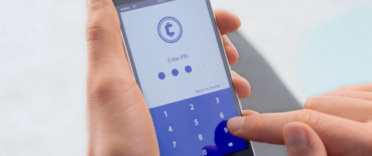
If you are using a hardware wallet, you will need to enter your passcode to verify the transaction. Many online wallets will also ask for a final authentication code or other security step as a final verification.
How to receive cryptocurrency in your wallet
Many wallets do not require much heavy lifting on your part in order to receive crypto, though some will require you to generate a unique address for that transaction. This will usually involve hitting the ‘receive’ button and sending the code provided to whoever is paying you.
Holding funds in your crypto wallet
If your plan is to use your crypto holdings as an investment rather than a means of payment, your wallet can be used as a ’storage’ facility. Some providers will allow you to stake your coins in order to earn money on your holdings, but your core focus as a crypto investor should be security and performance. Make sure to regularly check in on your coins to ensure everything is as it should be and monitor the value of your holdings.
How to keep your cryptocurrency wallet secure
Security should be one of your top priorities when buying, selling, trading or storing cryptoassets. Keeping your wallet safe is crucial, as there is little chance of getting your holdings back if your security is compromised. Choosing the right wallet is important, but there are also steps you can take to limit the chance of losing your coins. Here are our top tips to keep your wallet secure:
- Use the security features available - Make sure your password is as strong as possible and enable all of the security features offered by your provider. This should include at least two-factor authentication, but also multi-signature functionality. A multi-signature system requires multiple private keys to process a transaction, making it harder for hackers to make off with your holdings. New security features are being developed all the time, so make sure to keep your wallet software up to date too.
- Secure your devices - Any fallibilities in the device you use to access your wallet can be a gateway for hackers to get to your holdings. This means you need to update your antivirus software regularly, as well as the operating system of your phone, laptop, PC or tablet.
- Prepare for the worst - There is always a chance that your cryptoassets could be compromised. To mitigate against disaster, you could create a backup to recover your holdings in a worst-case scenario or even split your coins between different types of wallet.
- Double check the details - It is important to keep other people out of your wallet, but it is also vital to avoid handing over coins through a simple mistake. Double-check the address you are sending crypto to, avoid public Wi-Fi, make sure any wallet URLs you click on are legitimate and never share a private key.
How to learn more about crypto
Try to take on as much information as you can before you start investing in coins and get a crypto wallet. We cover the basics of crypto in our article 'A beginner’s guide to investing in bitcoin and cryptocurrency'. We go into depth on how mining cryptocurrency works in 'Cryptocurrency mining: What it is, how it works and how to mine bitcoin', and give a step-by-step guide on how to buy the original crypto – bitcoin – in 'How to buy bitcoin in the UK step-by-step: A guide to buying quickly and safely'.
We also have an article on how cryptocurrency is regulated in the UK, which covers the lack of regulatory protection to help you if things go wrong. This is important reading because cryptoassets are a highly volatile investment option. Investing in cryptoassets is suited only to those investors who understand these risks and are prepared to lose all the money they invest.

 MTTM AI (beta)
