
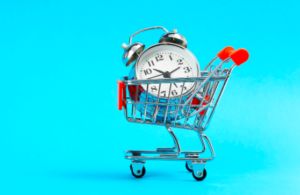
 With Buy Now, Pay Later (BNPL), consumers are encouraged to purchase goods and spread the payments. It is offered by companies including Klarna, Clearpay, PayPal and joined more recently by the likes of Monzo, Mastercard and American Express. The service is mostly free and usually does not involve a hard credit check, but some debt charities are reporting a growing number of people falling into financial difficulties as a result of using BNPL, with many questioning the facilitating of impulse buying and overspending. In this guide, we explore both sides of the argument, outlining the benefits of using BNPL, as well as highlighting the risks.
What is Buy Now, Pay Later?
Buy Now, Pay Later (BNPL) is an online credit product that allows consumers to purchase goods and spread the payment. Essentially, BNPL allows you to buy something, then pay for it in instalments. Typically BNPL providers allow you to pay in weekly, fortnightly or monthly instalments. Additionally, some providers allow you to defer the whole payment until a set date in the future. It is appealing to some shoppers as it allows them to make purchases that they may not otherwise be able to afford if they had to pay the full amount upfront, but there are also risks involved in taking on debt that you may not be able to pay off later down the line.
Also known as point-of-sale credit, consumers should be aware that BNPL is exactly that: credit. Although the way it is presented and the ease of access is markedly different from other forms of borrowing, it is, in effect, a short-term loan and, as such, could impact your credit rating. With this in mind, it needs to be approached with caution and used sensibly.
How much does Buy Now, Pay Later cost?
A central part of Buy Now, Pay Later providers' appeal is that they offer a free service to the consumer. The debt is interest-free and there are no fees to use the service, irrespective of whether you pay after one month, in three or more instalments, or over 12 or more months. There is also no penalty if you pay off the amount you owe early. Instead, the providers make their money through the retailers by charging a percentage of every purchase made using their services.
It is worth noting, however, that most providers charge a late fee if you miss a payment or if there are insufficient funds in your account when they attempt to take payment. The amount charged varies across companies, but for the main players, the charging is as follows:
- Klarna - the lower of £5 or 25% of the order value
- Clearpay - £6, followed by a further £6 if a payment is still unpaid 7 days after the due date (capped at the lower of £24 or 25% of the order value)
- PayPal Credit- No late fee
If you persistently don't pay what you owe, it is likely the debt will ultimately be passed on to a debt collection agency, which would attract a much higher penalty and also impact your credit rating.
What consumer rights do you have with Buy Now, Pay Later?
If you make purchases over £100 on your credit card, you are provided with protection through section 75 of the Consumer Credit Act if the goods are faulty, aren't as described, aren't delivered as promised or if the retailer goes bust. However, by using Buy Now, Pay Later, you are effectively buying through a third-party and, as such, forego these rights. While retailers and BNPL providers typically offer their own consumer protection policies, this isn't enshrined in law as with the Consumer Credit Act and could be subject to change.
For more details on this, read our article 'Section 75 of the Consumer Credit Act explained - your rights and how to claim'.
What are the benefits of Buy Now, Pay Later?
- It offers interest-free short-term credit without having to apply for a credit card
- If used responsibly, it is one way of managing your finances and allowing you to make purchases that you wouldn't necessarily be able to afford otherwise
What are the dangers of Buy Now, Pay Later?
- By making a purchase through a third-party, you sacrifice the consumer rights you are afforded by section 75 of the Consumer Credit Act, which applies to credit card purchases over £100.
- The penalties you may incur for missing payments are high relative to the value of the goods you are purchasing
- The ethos of Buy Now, Pay Later encourages irresponsible spending. The way it is structured arguably encourages impulse buys – if you can't afford to buy a pair of jeans or shoes in one go and need to spread the cost, should you really be buying them in the first place?
- It's easy to build up debt that might be difficult to pay off, particularly if your financial position changes. For example, if you lose your job or have a sudden, unexpected financial outgoing.
- Your usage will appear on your credit report, which could make getting a loan, credit card or mortgage more difficult in the future
What happens if you can't afford to pay off your Buy Now, Pay Later debt?
If you know you are going to struggle to pay one or more of the instalments in your repayment schedule, the first thing to do is contact the provider and explain the situation. They may be able to pause the payments or work out a new repayment schedule. This also applies if you want to change the day the payment is taken, as it will potentially save you being liable for a late fee if you let the provider know in advance.
If you find yourself in sudden financial difficulty because of a change in circumstances and a variety of debts are beginning to spiral, look for free debt advice. You can find out more information on this in our article 'Where to get free debt advice'.
Does Buy Now, Pay Later affect your credit score?
Credit reference agencies (CRAs) do now include BNPL transactions in credit reports. However, the BNPL details will not initially affect credit scores. This is because CRAs and lenders need more time to work out how to incorporate BNPL data into their existing credit scoring systems. There are three major CRAs in the UK – Experian, Equifax and TransUnion.
So while your score itself might not be affected by using Buy Now, Pay Later, prospective lenders running a credit check will be able to see the key BNPL information on your credit file.
Why are some BNPL details now part of credit reports?
The argument for Buy Now, Pay Later transactions appearing on credit reports is to help lenders get a more accurate view of an applicant's existing credit commitments. While it may seem beneficial to minimise what a lender can see in order to maximise the amount you can borrow, ultimately an accurate assessment of your finances will be the best in the long run. Borrowing beyond your means can lead to missed repayments that will make borrowing much more difficult in the future.
Including BNPL information can also be useful for people with a limited credit history, as it could help build a more rounded credit report and eventually allow access to a wider range of borrowing options.
What BNPL information is included in your credit report?
Buy Now, Pay Later details are featured on your credit report in the same way as any other credit commitments or recent borrowing history. This means including when the credit account was opened, what monthly payments have been made, what payments are due and the current account balance. Each purchase will appear separately as a ‘deferred payment credit’ account if it is repaid within three months. Late payments will be recorded and falling behind by more than 90 days will trigger a ‘defaulted’ marker on your credit file, which will remain for six years.
Lenders will be able to see all of this information on your credit file each time a credit check is performed on your account, even though it will not yet affect your credit score directly.
What alternatives are there to Buy Now, Pay Later?
Depending on the situation and the type of spending you are looking to do, you could consider a credit card with 0% interest offers on purchases and/or balance transfers. The best deals allow you to spread payments for over a year without incurring interest. For an overview of the cards available and what might suit you, read our article 'How to choose the best credit card for you'.
Alternatively, getting into good savings habits are a great life skill. There are a range of apps that can help you to create a healthy savings pot to fund future purchases. You can read more about it in our article 'Best savings apps in the UK'.
 MTTM AI (beta)
