
 If you've recently started your own business, one of the first decisions you'll have to make is whether to open a business bank account. The arrival of a number of digital 'app-only' banks - many of whom offer a business bank account - is making the process of opening a business bank account that little bit easier. But there are also many high street banks that offer great options for businesses that value in-branch support or which deal with lots of cash; app-only banks often have smaller limits when it comes to cash deposits.
In this article we explain who should get a business bank account, what information is required to open a business bank account and what are the best ways to apply.
What is a business bank account and how does it work?
A business bank account is a type of account designed for people who are self-employed, those who have a limited company or those who have another type of business. It works in a very similar way to a personal bank account. The money that flows in and out of a business bank account is income and expenditure solely related to the business and so having a business bank account enables you to keep personal and business finances separate. Business bank accounts tend to have higher limits and fees. In addition, most can be synced automatically with business accounting packages such as Xero and Quickbooks.
Do I need a business bank account?
Before you consider how to open a business bank account or which business bank account is best, it is worth double-checking that you need a business bank account in the first place. There is no legal requirement to have a business bank account if you are a sole trader, however, if your business is set up as a limited company then you'll need to keep your personal and business finances separate, so a business bank account is a must.
Who should legally have a business bank account?
 Sole Trader (Hairdresser, designer, developer, writer etc)
Casual self-employed worker (Delivery driver or money earned from a side-hustle etc)
 Limited Company (If your business is registered with Companies House)
It is worth remembering that while sole traders do not legally have to have a business account, nothing is stopping them from having one. Many sole traders prefer to use a business account, as it provides an easy way to keep their business and personal finances separate. If you choose not to have a business bank account as a sole trader, you may need to use your personal account instead, which can get confusing as you will have both business and personal transactions happening from the same account. This can be particularly cumbersome when you're filing for self-assessment, especially if you're planning on claiming expenses and need a clear idea of what was spent on the business and what was spent on personal purchases.
What documents do I need to open a business bank account?
The documents you need to open a business bank account may vary slightly depending on the bank you choose, however, most banks would ask that you provide the following:
| Business bank account identification | Example ID | Required for Sole Trader? | Required for Limited Company? |
| Proof of ID | Copy of driving licence or passport | Yes | Yes |
| Proof of address | Mortgage statement or utility bill | Yes | Yes |
| Company registration | Companies House details | No | Yes |
| Tax registration | Registration documents | No | Yes |
| Vat registration | Registration documents | No | Yes |
How to open a business account for a limited company
To open a business account for a limited company, you'll need to:
- Register your business with Companies House - It costs £100 to set up a private limited company, and the whole process takes around 24 hours. Once you're registered, you'll be able to provide evidence of your registration when you apply to open a business account.
- Choose your business account - There are now several challenger banks that offer online-only business bank accounts but many high street banks offer great options too. Digital banks typically have quicker application processes that can be carried out fully online, but high street banks have in branch support and may work better for cash heavy businesses, so the decision is ultimately up to you.
- Apply for your business account - Gather the documents you need and begin the application process. If this is your first business account, it may take a little longer to go through the verification process and you may need to provide additional details.
Can I open a business bank account online?
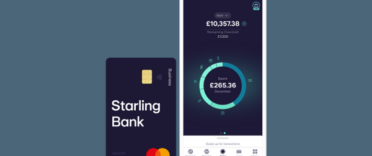
The quickest way to open a business bank account is to use a digital bank such as Starling or Monzo. Both accounts come with free basic options and have paid add-ons with more features as well. Another option is Mettle by NatWest, which offers a free business bank account for self-employed individuals or limited companies with up to two owners. It's a NatWest-backed bank account that comes with accounting software, FreeAgent included so it works well if you're just starting out.
While digital banks are known for speed, most high-street banks now offer a similarly streamlined process, allowing you to verify your identity via their app using a biometric 'selfie' and a document scan. You rarely need to send documents in the post anymore.
However, under the 2026 identity verification rules, all directors must be verified with Companies House before an account can be fully active. If your business has a complex structure or international directors, a branch appointment may still be the most efficient way to handle the additional checks required.
Which business bank account is best?
When deciding which business bank account is best for you, there are a number of factors to consider. Below, we have provided a list of questions you should ask yourself before making your final choice.
- Are you happy to pay a monthly fee? - Some basic business bank accounts do not charge a monthly fee, however, there may be fees for withdrawing or depositing money as well as fees for every online transaction. Understand how your business works, what transactions take place and choose a business bank account that has the best charging structure for your business
- Do you need to regularly deposit cash? - If you need to regularly deposit cash then you need to consider a bank that has a branch close by. Most digital banks allow you to deposit money at a Post Office, however, there are usually fees to pay, and the limits can be low.
- Do you need to deposit cheques? - Some online business bank accounts do not allow you to deposit cheques and so you would need to avoid them if your business is likely to receive cheques.
- Do you use accounting software? - If you use accounting software then it would be wise to use a business bank account that can synchronise with the software you use. As of April 2026, Making Tax Digital (MTD) for Income Tax is now live for sole traders earning over £50,000. To save money, look for a bank (like Lloyds or Mettle) that includes a free MTD-compliant tool within the account; this allows you to meet quarterly reporting obligations without paying for a separate software subscription. Note that some banks may still charge a fee for syncing with external packages like Xero, or require you to upgrade to a premium plan for advanced features.
- Do you want FSCS protection? - The Financial Services Compensation Scheme (FSCS) protects money held in personal and savings accounts up to a total of £120,000 per person (per financial institution). Not all business bank accounts provide FSCS protection and so make sure you know the risks before opening a business bank account.
- How do you compare business bank accounts? - The above questions should help narrow down the type of business bank account you need. As a rough guide, if you regularly deal with cash and cheques, then a high street bank may be more suitable for your business. Alternatively, if you rarely need to deposit money, then you may want to consider a digital bank such as Starling or Monzo as they are cheaper than high street banks and quick to set up. If FSCS protection isn't a concern then there are other digital alternatives such as ANNA*. If you are a freelancer, check out our article 'Best business bank accounts for freelancers'.
What are the pros and cons of a business bank account?
There are advantages and disadvantages to having a business bank account and we have summarised the main pros and cons below.
Pros
- Credit rating - Can help to build the credit rating of the business, which can help with applications for business credit cards and loans
- Time-saving - Keeping your business and personal finances separate can help to save time when doing your business accounting and tax returns
- Professionalism - Having an account in the name of your business looks professional and may help to win more business
- Terms and Conditions - Some personal bank accounts have restrictions, and so if your business has lots of cash transactions, you could fall foul of the terms and conditions and risk your account being closed
Cons
- Can be expensive - Business banking isn't usually free, and the fees can add up, especially if you use a business bank account that charges per transaction
- Can take time to set up - Most business bank accounts can be set up in a few days, but some can take longer. If you are worried about the time it takes to set up a business bank account, it may be worth checking out Starling Business or Monzo Business, as the setup process is usually far quicker
Things to do after you open a business bank account
It is worth taking a little time to verify that everything is correct. Check the name and address as well as any other details to ensure that it corresponds with your identification and registration documents. If you have regular expenses, set up direct debit payments to ensure that your bills are paid on time. Make a note of any fees and transaction charges so that you know what you will be charged ahead of time. Set a reminder to review your business bank account in a year. Nothing is stopping you from changing your business bank account if you are no longer happy with the service.
Other things to consider when you set up a business
A business bank account is just one of the considerations when setting up a new business. Below we have provided some links to some articles that you may find useful.
Business Planning
Loans and Credit
Accounting
Insurance
- The 9 insurance policies you need to protect your business
- What is the best way to protect my business?
- Can I pay my life insurance premium as a business expense?
If a link has an * beside it this means that it is an affiliated link. If you go via the link, Money to the Masses may receive a small fee which helps keep Money to the Masses free to use. The following link can be used if you do not wish to help Money to the Masses or take advantage of any exclusive offers - ANNA


 MTTM AI (beta)
