
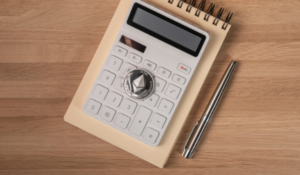
 The types of tax cryptocurrency is subject to, how much tax you can expect to pay, and when you do not need to pay any tax may not always be immediately apparent. This is in part because people may think of cryptocurrencies as money, but that is not how they are treated by the tax system. In fact, crypto is treated like most other assets when it comes to Capital Gains Tax (CGT). You may need to pay tax on your crypto holdings when they are ‘disposed’ of, which includes selling them, spending them, exchanging them, and even giving them away (unless it is to a spouse, civil partner or a charity).
The rules regulating cryptoassets are still evolving as the crypto sector becomes more mainstream, so it is important to make sure you are on top of everything you need to know and understand how tax is applied to cryptoassets in the UK. Be sure to check this page regularly to see if there are any changes that may affect you or check HMRC's regularly updated guidance, which covers the taxes that apply to cryptocurrency, how much you may be expected to pay, and how to go about paying what you owe.
Is cryptocurrency taxable in the UK?
Yes, cryptocurrency is subject to Capital Gains Tax (CGT) tax in the UK and sometimes Income Tax. Anyone who lives in the UK and holds cryptoassets – such as Bitcoin or other cryptocurrencies – is taxed on the profits they make from them, but only when they exceed the annual tax-free allowance. These profits (or 'gains') must be recorded and reported to HMRC as part of an individual's self-assessment tax return. The tax-free allowance, and the amount of tax you must pay, differs depending on which type of tax HMRC decides applies to you.
Capital Gains Tax on cryptocurrency explained
The tax most investors have to pay on cryptocurrency is CGT, which is calculated as a percentage of the difference between the price you acquired your cryptocurrency for and how much you received when you disposed of it. This usually means the profit you made from selling the cryptoasset, but disposal also covers spending, exchanging, and even giving away (unless it is to a spouse, civil partner or a charity).
You only need to pay CGT on your cryptocurrency holdings if your overall gains exceed the annual tax-free allowance, which is £3,000 for the 2026/27 tax year. If your gains remain below this threshold, you will not be liable to pay any CGT at all. This also means that if you do not actively trade any cryptocurrency, you will not need to pay CGT, as it only applies to your gains, not your holdings.
For example, if you were to purchase £5,000 worth of Bitcoin and not conduct any transactions with it over the course of the tax year, you would not need to pay any CGT. However, if you purchased £5,000 worth of Bitcoin and sold it at a later date for £30,000 (amounting to £25,000 in gains), you would be liable to pay CGT on the amount your gains which exceed the tax-free allowance by. Therefore, although the first £3,000 of your gains is tax-free, you would have to pay CGT on the remaining £22,000 you gained above this threshold. The level of CGT that you pay is different depending on which tax bracket you fall under.
You can pay less tax if you have made a loss in previous tax years, as you can offset gains against losses to pay less tax. Investors can report losses up to four years after the end of the tax year in which they disposed of the asset. This loss can then be deducted from your taxable gains.
Any gain from the 2024/25 tax year onwards should be declared on the cryptoassets page in the Capital gains section of a self-assessment tax return. Investors who now realise they should have paid CGT on crypto gains in past tax years can still report their profits to HMRC through its voluntary disclosure scheme. It is important to remember that providers are not obligated to collect CGT, as it is your responsibility to declare any gains to HMRC.
Income Tax on cryptocurrency explained
There are "exceptional" circumstances when HMRC considers that the sheer volume and sophistication of cryptocurrency trading that someone is enacting constitutes a financial trade in and of itself. This is then viewed as a form of income and is liable for Income Tax (IT), though bear in mind that this is rare and does not apply to most cryptocurrency investors.
HMRC explains that whether or not income tax is applicable depends on “a number of factors and the individual circumstances”, but there is currently no concrete rule or threshold that determines the point at which you switch from being liable for CGT to being liable for IT. If you are unsure which one applies to you, it may be wise to contact an independent tax advisor to help you.
Any gains liable for income tax are treated much like employment income under UK tax law. This means you will be taxed depending on your tax bracket, but only if your income exceeds the annual threshold (£12,570 for the 2026/27 tax year).
There are also unique rules for those who receive cryptocurrency from their employer as a form of non-cash payment. Your employer should pay National Insurance and IT through PAYE (Pay As You Earn), but it is your responsibility to check this is happening.
Those who mine cryptocurrency themselves, or those who run a business that trades in cryptocurrency instead of traditional 'fiat' money (such as GBP or USD) are subject to different rules. These individuals are liable to pay both IT and National Insurance on their gains.
How much tax do you have to pay on cryptocurrency?
The amount of tax you need to pay on your cryptocurrency holdings depends on which tax you are liable to pay, how much profit you have made, and which tax band you fall under.
Example - Capital Gains Tax on cryptocurrency
This example is applicable if your cryptocurrency gains have exceeded the annual tax-free allowance of £3,000 and you do not offset your gains against any losses from up to four years prior to the end of the tax year in which you disposed of your crypto. If that is the case, you will be liable to pay CGT at the following rates:
| Basic Rate CGT (annual income between £12,571 - £50,270) | Higher Rate CGT (annual income between £50,271 - £150,000) |
| 18% | 24% |
Example: You are subject to CGT. You are a basic rate taxpayer. You purchase Bitcoin for £10,000 and sell it at a later date for £25,000 (amounting to £15,000 in gains). You have made gains of £12,000 above the annual tax-free allowance. You will need to pay 18% CGT on this amount. Therefore, you must pay £2,160 in CGT on your profits.
How to pay tax on cryptocurrency
You need to provide a self-assessed tax return and declare any taxable profits you have made from cryptocurrency to HMRC. You will have to pay a penalty fee if you do not declare your taxable gains or pay the required tax by the annual deadline.
For the current 2026/27 tax year, the deadline is 31st January 2028. However, if you have never submitted a self-assessed tax return before, you must have registered for self-assessment by 5th October 2027 – you do this on the GOV.UK website. You have until 31st January 2028 to pay the tax you owe to HMRC on any taxable profits. There are several ways to do so, including through online banking or cheque. The amount will usually be taken via your chosen method within 5 working days.
If you did not register for a previous tax year, you should still register as soon as possible, but you may be liable to a penalty charge of £100 if your tax return is up to 3 months late, and even more if your tax bill is actually paid late. Interest is also charged on late payments. The GOV.UK website has a calculator which can help you to estimate the penalty you may face for a late tax return or payment.
Any eligible gains made in the previous tax year (6th April 2025 to 5th April 2026) will need to be paid to HMRC by 31 January 2027. You can follow the same process to register for a self-assessment tax return on the GOV.UK website if you have never submitted one before.
Can you invest in cryptocurrency without paying tax?
You can invest in crypto without paying tax. This could be by gradually disposing of your holdings to ensure you fall within your CGT tax-free allowance of £3,000, or by offsetting your gains against other eligible losses.
Alternatively, you could invest in crypto ETNs (exchange-traded notes), also called cETNs, held in an ISA. HMRC decided back in October 2025 – when crypto ETNs were first approved by the Financial Conduct Authority (FCA) – that cETNs can be held in stocks and shares ISAs. However, since the start of the current tax year (2026/27), they can only be held in an Innovative Finance ISA.
HRMC said: "From 6 April 2026, they [cETNs] will be reclassified as qualifying investments within the Innovative Finance ISA (IFISA)."
It is not clear why HMRC took the decision to adopt these rules, but it does mean that investors can take advantage of the tax-free ISA wrapper to invest in crypto. Of course, an ETN is not exactly the same as owning an asset, and you can learn more by reading our article ‘Which investment platforms offer Crypto ETNs?’.
Further reading on cryptocurrency
If you need to brush up on your understanding of the crypto industry, head over to our beginner’s guide to investing in Bitcoin and cryptocurrency, or check out our explainer on what Bitcoin is and how it works. You can also browse our list of the best cryptocurrency exchange platforms in the UK, and our breakdown of how – and to what extent – cryptocurrency is regulated in the UK.
Always keep in mind that the Financial Conduct Authority (FCA) does not regulate most cryptoassets, meaning investors are not protected by the Financial Services Compensation Scheme (FSCS), which protects up to £85,000 (£170,000 for joint accounts) if a financial firm fails. Cryptocurrency can be an extremely volatile investment and so is more suited to a sophisticated investor that is comfortable with getting less back than they put in.

 MTTM AI (beta)
